What is TLCI and how is it different from CRI?
TLCI (Television Lighting Consistency Index) measures how accurately a light source renders colors specifically for camera sensors, not the human eye. While CRI uses human vision as its reference, TLCI uses a broadcast camera — making it a more relevant spec for video and film work.
Why TLCI was created
CRI was developed in the 1960s for evaluating how lights look to human eyes — in offices, hospitals, and retail stores. Camera sensors see color differently than eyes.
A light can score CRI 95 but only TLCI 85 because certain wavelengths that look fine to your eye create problems on a camera sensor — unexpected color shifts, skin tone inaccuracies, or greenish tints.
TLCI was developed by the European Broadcasting Union (EBU) specifically to address this gap. It tests light against how broadcast cameras actually record color.
TLCI scores explained
TLCI 85-100: Excellent. Colors reproduce accurately on camera with minimal correction needed. Professional broadcast and cinema quality.
TLCI 75-85: Good. Minor color shifts that can be corrected in post with standard tools.
TLCI 50-75: Acceptable for basic work but noticeable color issues. Not recommended for professional skin tone work.
TLCI below 50: Poor. Significant color problems that are difficult or impossible to correct.
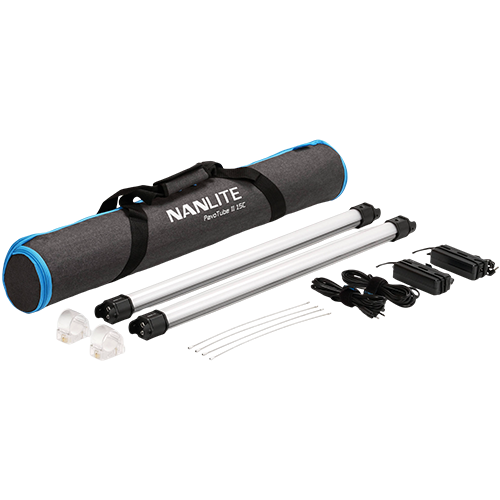
High TLCI lights at Camera Shop Egypt
CRI or TLCI — which matters more?
If you primarily shoot photography, CRI is the more relevant measurement — you are creating images for human eyes to view.
If you primarily shoot video, TLCI is more relevant — it predicts how colors will actually look on camera.
In practice, lights that score high on CRI usually score high on TLCI too. A light with CRI 96+ and TLCI 95+ is excellent for any purpose.
When only CRI is listed (most common), CRI 95+ from a reputable brand is a safe bet for video work.
When comparing lights for video work, ask the manufacturer for TLCI data if it is not listed. Brands like Nanlite and COLBOR publish both CRI and TLCI values for their professional-grade lights.
Gear that does this
Available in Egypt and suited to what this guide covers.