What is the difference between a prime and zoom lens?
A prime lens has a single fixed focal length (like 50mm or 85mm) — you zoom with your feet. A zoom lens covers a range of focal lengths (like 24-70mm or 70-200mm) — you zoom by turning the lens barrel. Each has distinct advantages.
Prime lens advantages
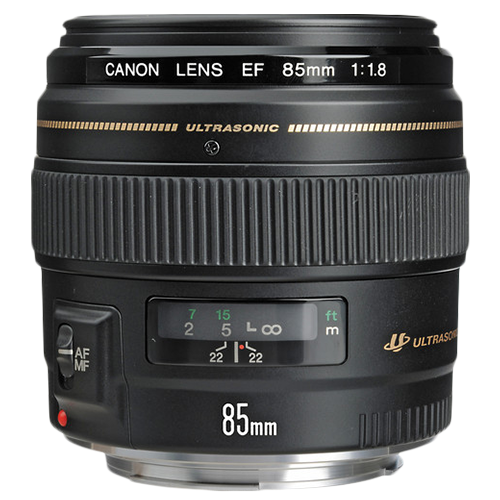
Wider maximum aperture: Primes commonly reach f/1.4 or f/1.8. Zoom lenses at the same price typically max out at f/2.8 or f/4.
Sharper image quality: With fewer moving elements and simpler optical designs, primes are often sharper edge-to-edge — especially wide open.
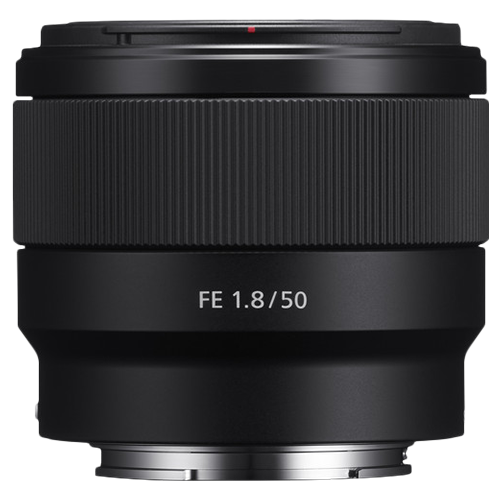
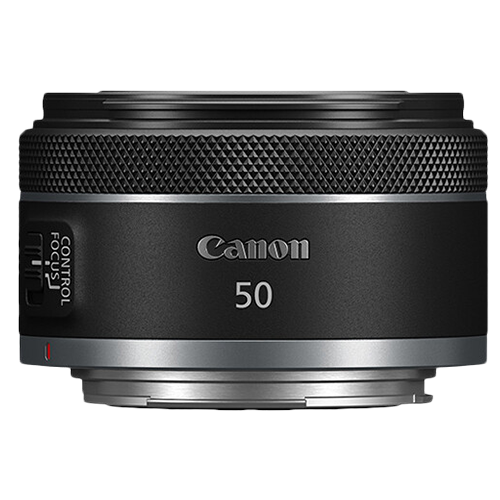
Smaller and lighter: A 50mm f/1.8 prime weighs 150-200g. A 24-70mm f/2.8 zoom weighs 700-900g.
Lower price for the aperture: A 50mm f/1.8 costs a fraction of a zoom with comparable light-gathering ability.
Zoom lens advantages
Versatility: One zoom replaces 3-4 primes. A 24-70mm covers wide-angle, standard, and short telephoto.
Speed of composition: In fast-moving situations (events, weddings, sports), zooming is faster than physically moving.
Fewer lens changes: Changing lenses means dust on the sensor and missed moments. A zoom minimizes both.
Video-friendly: Zooming during a shot is a standard filmmaking technique that primes cannot do.
Popular lenses at Camera Shop Egypt
Which should you buy first?
If starting out, a versatile zoom (24-70mm or 24-105mm) gives the most flexibility while you learn what focal lengths you naturally prefer.
Once you know your favorite focal length, add a fast prime at that length for low light and creative depth of field.
Many professionals carry both — a zoom for versatility and one or two primes for specific looks and low-light situations.
The classic first prime lens recommendation is the 50mm f/1.8. Affordable, sharp, great in low light, and produces beautiful portraits. Every camera brand makes one and it is always one of their best-value lenses.
Gear that does this
Available in Egypt and suited to what this guide covers.