What is CRI (Color Rendering Index)?
CRI stands for Color Rendering Index — a measurement from 0 to 100 that tells you how accurately a light source reveals the true colors of objects it illuminates, compared to natural sunlight (which scores a perfect 100).
Why CRI matters for photography and video
When you light a subject with a low-CRI light, colors look dull, washed out, or slightly off. Skin tones look unnatural. Product colors do not match reality. No amount of color correction in post can fully fix this.
With a high-CRI light (95+), colors appear rich, accurate, and true to life — exactly what you need for professional results.
CRI 90+ is the minimum for serious photo and video work. CRI 95+ is professional grade. CRI 97+ is broadcast and cinema quality.
CRI vs TLCI — what is the difference?
CRI was originally designed to measure how lights render colors to the human eye. TLCI (Television Lighting Consistency Index) was designed specifically for how lights render on camera sensors.
For video work, TLCI is actually more relevant — but most manufacturers still advertise CRI because it is the more recognized standard.
The best professional lights score high on both. When shopping, look for lights that list both CRI and TLCI values.
High CRI lights at Camera Shop Egypt
How to check CRI before buying
Always look for CRI in the product specs. Any professional light will list it clearly. Be cautious of cheap lights that do not mention CRI — that usually means it is low.
At Camera Shop Egypt, every light we sell has its CRI clearly listed in the product description so you can compare before you buy.
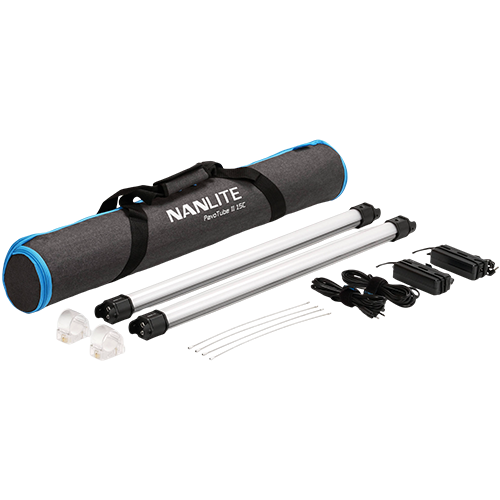
Do not trust CRI claims from unknown brands without independent verification. Reputable brands like Godox, Nanlite, COLBOR, and amaran consistently deliver on their CRI specifications.
A light with CRI 95 and good build quality will serve you far better than a light with CRI 80 that has more watts. Color accuracy matters more than raw brightness in almost every professional scenario.
Gear that does this
Available in Egypt and suited to what this guide covers.