Why are some lenses very expensive?
Premium lenses cost more because they use exotic glass materials, tighter manufacturing tolerances, faster autofocus motors, and weather-sealed construction. Each of these factors adds cost — but also delivers measurably better optical performance, durability, and reliability that justifies the investment for professional use.
What makes lenses expensive to build
Exotic glass elements: Aspherical, extra-low dispersion (ED), and fluorite elements correct optical aberrations but cost dramatically more to manufacture than standard glass. A single aspherical element can cost 10x more than a spherical one.
Manufacturing precision: Premium lenses are assembled and aligned to tighter tolerances. Each element must be positioned within microns. This requires more time, more quality control, and more rejected units.
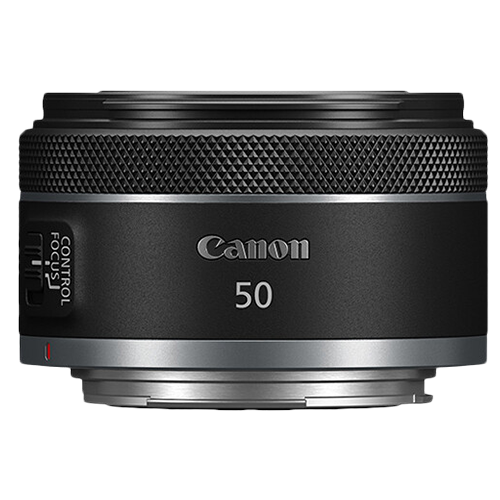
Wider aperture: An f/1.2 lens requires physically larger glass elements than f/1.8. Larger glass is exponentially harder to manufacture without defects. The 50mm f/1.2 uses elements almost twice the diameter of the 50mm f/1.8.
Weather sealing: Gaskets, seals, and fluorine coatings at every joint add cost and complexity. Professional lenses must survive rain, dust, and temperature extremes.
What you get for the extra money
Sharper images: Premium lenses are sharper edge-to-edge, especially wide open. The difference is visible in prints and heavy crops.
Better bokeh: More aperture blades, rounded blade edges, and advanced optical designs produce smoother, more pleasing background blur.
Faster, quieter autofocus: Premium AF motors (Canon Nano USM, Sony XD Linear) are faster, more accurate, and silent for video.
Durability: Metal construction, weather sealing, and robust mount connections survive years of professional use. Budget lenses use more plastic and fail sooner.
Premium lenses at Camera Shop Egypt
When budget lenses are the smarter choice
If you are learning photography, budget lenses teach you the same fundamentals. Spend the savings on experiences and practice.
If you shoot for social media only, the quality difference is invisible at Instagram resolution. A $200 lens looks identical to a $2000 lens on a phone screen.
If you need multiple focal lengths, three affordable primes cover more situations than one expensive zoom.
Invest in premium glass when you know your focal length, shoot professionally, print large, or need the reliability for paid work.
The best lens investment strategy: buy budget lenses to learn, then upgrade only the focal length you use most. Most photographers find that 80% of their best work comes from one or two focal lengths — invest in those.
Gear that does this
Available in Egypt and suited to what this guide covers.