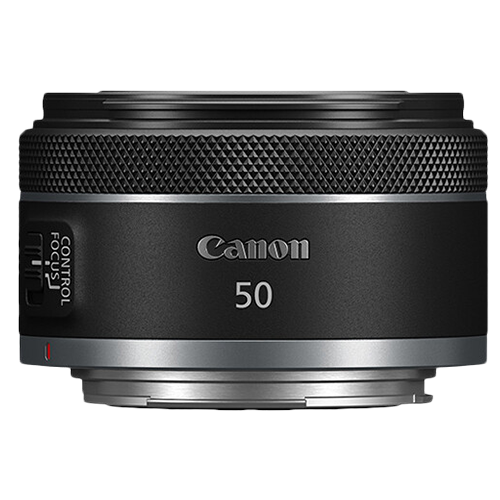
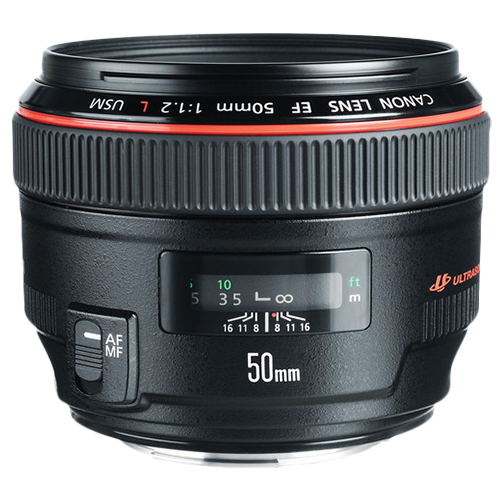
What is the difference between EF and RF mount?
Canon EF mount was designed for DSLR cameras in 1987 with a 44mm flange distance. Canon RF mount was designed for mirrorless cameras in 2018 with a shorter 20mm flange distance and larger 54mm diameter. RF enables sharper, faster, and more compact lens designs that are physically impossible on EF.
Why Canon created RF mount
DSLR cameras need space between lens and sensor for the mirror mechanism, forcing a 44mm flange distance. Mirrorless cameras have no mirror, so Canon shortened the flange to just 20mm.
This shorter distance and wider opening gives lens designers dramatically more freedom. They can place elements closer to the sensor and use larger rear elements.
RF lenses like the RF 50mm f/1.2L and RF 28-70mm f/2L achieve optical performance physically impossible in EF mount.
Can you use EF lenses on RF cameras?
Yes — with Canon’s official EF-RF adapter. The adapter adds the 24mm difference in flange distance, and all autofocus, stabilization, and electronic features work perfectly.
There is no quality loss. The adapter is an empty tube with electrical contacts — no glass elements.
Your existing EF collection works on every RF body. Gradually transition to RF lenses over time without losing your investment.
RF and EF lenses at Camera Shop Egypt
Should you buy EF or RF lenses today?
For new purchases, buy RF. Canon has stopped developing new EF lenses. All innovation and future products are RF-only.
If you already own EF lenses, they work perfectly on RF cameras with the adapter — no rush to replace them.
The best strategy: adapt existing EF lenses and buy RF for any new purchases. Your kit naturally transitions over time.
The Canon EF-RF adapter should be one of your first purchases when moving to an RF body. It costs very little and instantly makes your entire EF lens collection compatible.
Gear that does this
Available in Egypt and suited to what this guide covers.