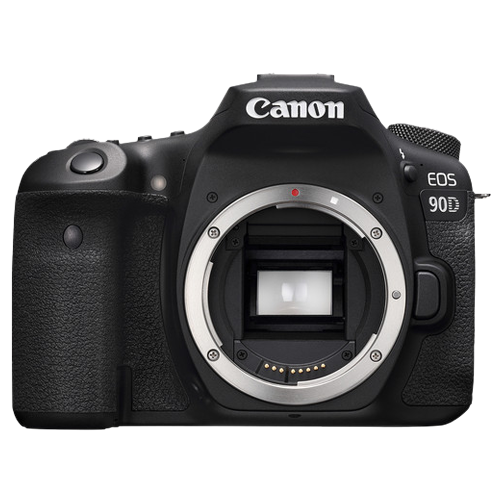
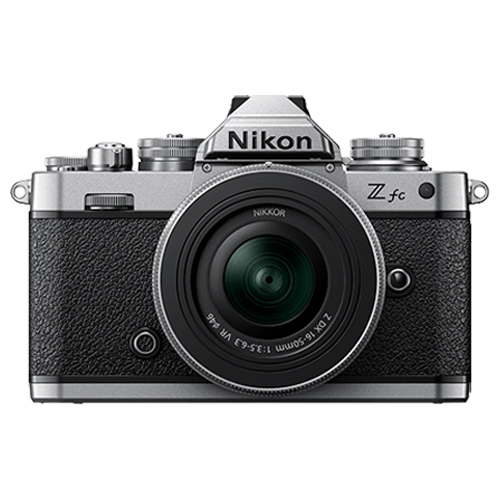
What is the difference between DSLR and mirrorless?
A DSLR uses a physical mirror inside the body to reflect light up to an optical viewfinder. A mirrorless camera removes that mirror entirely and sends light straight to the sensor, showing you a live digital preview on an electronic viewfinder or screen.
How they work differently
In a DSLR, light enters through the lens, bounces off a mirror angled at 45 degrees, goes up through a prism, and reaches your eye through the optical viewfinder. When you press the shutter, the mirror flips up, the sensor is exposed, and the photo is taken.
In a mirrorless camera, the mirror and prism are gone. Light goes directly to the sensor, which feeds a live image to the electronic viewfinder (EVF) or rear screen at all times.
Removing the mirror makes the camera body significantly thinner and lighter, and allows for shorter flange distances — which means lens designers can create sharper, more compact lenses.
Why the industry moved to mirrorless
Mirrorless cameras offer faster and more accurate autofocus because phase detection happens directly on the imaging sensor across the entire frame — not just at limited AF points like DSLRs.
Real-time exposure preview means what you see in the viewfinder is exactly what the final image will look like.
Silent shooting with electronic shutter — no mirror slap noise.
Canon, Sony, and Nikon have all shifted R&D entirely to mirrorless systems.
Mirrorless cameras at Camera Shop Egypt
Gear that does this
Available in Egypt and suited to what this guide covers.