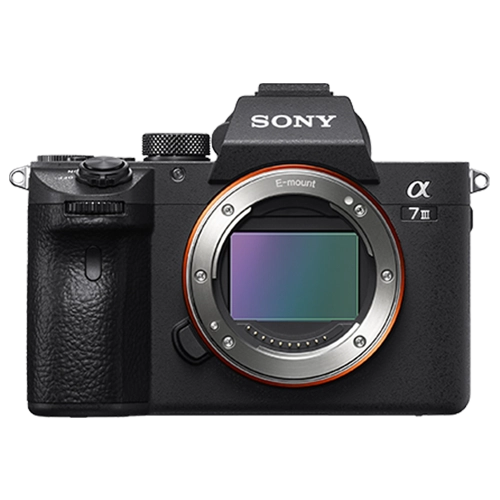
What is sensor stacking?
A stacked sensor is a BSI sensor with an additional layer of DRAM memory bonded directly underneath the photodiode layer. This on-chip memory acts as a high-speed buffer, enabling dramatically faster readout speeds — up to 10x faster than standard BSI sensors.
How stacking works
In a standard BSI sensor, pixel data is read row by row and sent directly to the image processor through slow external pathways. This creates a bottleneck.
A stacked sensor adds a DRAM layer directly behind the photodiodes. The entire sensor dumps its data into this on-chip memory almost instantly, then the DRAM feeds it to the processor at a controlled pace.
Think of it like having a massive clipboard right next to the sensor. The sensor writes everything to the clipboard in milliseconds, then the clipboard hands it to the processor without rushing.
What stacking enables
Blackout-free shooting at 30–120 fps — the sensor reads so fast that the viewfinder never goes dark between frames.
Near-zero rolling shutter — subjects moving at high speed appear undistorted.
4K 120fps video without heavy crops or line-skipping.
Electronic shutter flash sync at high speeds, previously only possible with mechanical shutters.
Stacked sensor cameras at Camera Shop Egypt
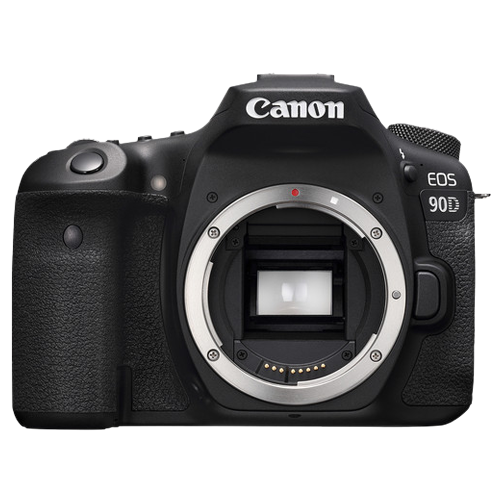
Is there any reason to still buy a DSLR?
For most people buying a new camera today, mirrorless is the better choice. The technology is more advanced, the lens roadmaps are mirrorless-only, and the performance gap widens with every new generation.
The only scenarios where a DSLR still makes sense are if you already own a large collection of DSLR lenses and want to avoid adapter costs, or if you specifically need the extreme battery life that optical viewfinders provide.
All major camera manufacturers — Canon, Sony, Nikon — have stopped developing new DSLR bodies and lenses. Every new product launch is mirrorless. Buying a DSLR today means buying into a system with no future upgrades.
Gear that does this
Available in Egypt and suited to what this guide covers.