What is latency in wireless microphones?
Latency is the time delay between when sound enters the wireless microphone and when it reaches the receiver and is recorded. Measured in milliseconds (ms), lower latency means the audio is closer to real-time. High latency causes visible lip-sync issues in video.
Why latency matters for video
When you film a person speaking, the video captures their lip movements in real-time. If the wireless mic adds 20ms of delay, the audio arrives slightly after the video — the person’s words do not match their lip movements.
Under 5ms: Imperceptible. Considered professional broadcast quality. No sync issues.
5-15ms: Barely noticeable. Most viewers will not detect it. Acceptable for most content.
15-30ms: Noticeable to trained eyes. Can be corrected by shifting audio in the editing timeline.
30ms+: Clearly visible lip-sync mismatch. Requires manual correction in every clip.
What causes latency in wireless mics
Digital processing: Digital wireless systems encode audio, transmit it wirelessly, then decode it at the receiver. Each step takes time.
Compression: Some systems compress the audio to fit more data in the wireless bandwidth. More compression = more processing time = more latency.
Bluetooth: Bluetooth audio has inherently high latency (40-200ms) and is not suitable for professional video work. Avoid Bluetooth mics for camera use.
2.4GHz digital systems: Modern systems like Hollyland, DJI, and Rode Wireless GO use optimized digital protocols with latency under 10ms.
Low-latency wireless mics at Camera Shop Egypt
Choosing low-latency wireless
Always check the manufacturer’s stated latency specification. For video work, insist on under 10ms.
Hollyland Lark series: Known for extremely low latency and reliable wireless performance. Very popular among creators.
DJI Mic series: Excellent build quality with low latency and built-in recording as backup.
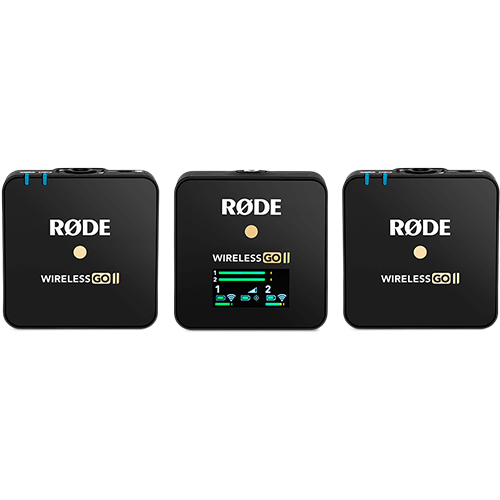
Rode Wireless GO II: Widely used, reliable, with onboard recording that eliminates latency concerns entirely (record locally, sync in post).
If your wireless mic has onboard recording (like Rode Wireless GO II or DJI Mic 2), use the locally recorded file as your primary audio source. It has zero latency because it records directly at the microphone — no wireless delay.
Gear that does this
Available in Egypt and suited to what this guide covers.