What is depth of field?
Depth of field (DOF) is the range of distance in a scene that appears acceptably sharp. A shallow depth of field means only a thin slice is in focus (blurry background). A deep depth of field means most of the scene is sharp from near to far.
What controls depth of field
Aperture: The most direct control. Wide aperture (f/1.4) = very shallow DOF. Narrow aperture (f/11) = deep DOF.
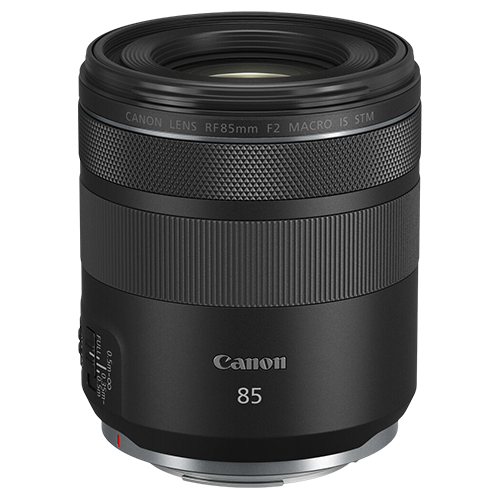
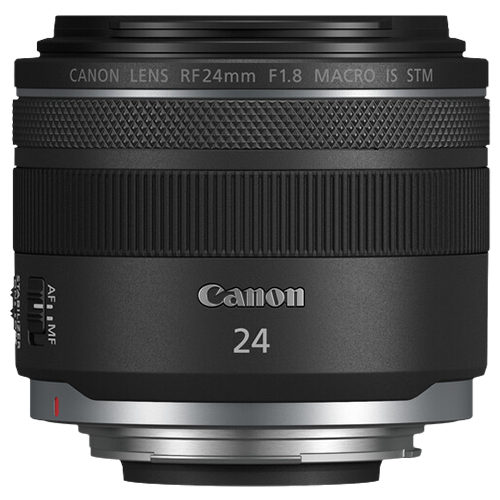
Focal length: Longer lenses produce shallower DOF at the same aperture. An 85mm at f/2.8 has much shallower DOF than a 24mm at f/2.8.
Subject distance: The closer you are to your subject, the shallower the DOF. This is why macro photography has extremely thin focus planes.
Sensor size: Larger sensors produce shallower DOF at the same equivalent field of view and aperture.
Shallow vs deep — creative choices
Shallow DOF (f/1.4-f/2.8): Isolates the subject from the background. Creates beautiful bokeh. Used for portraits, product photography, and cinematic video.
Medium DOF (f/4-f/5.6): Subject is sharp with a gently blurred background. Good for environmental portraits and documentary.
Deep DOF (f/8-f/16): Everything from foreground to infinity is sharp. Used for landscapes, architecture, and group photos.
Cameras and lenses for shallow DOF at Camera Shop Egypt
Common depth of field mistakes
Too shallow for group photos: Shooting a group at f/1.4 means only the front row is sharp. Stop down to f/4-f/5.6 for groups.
Missing focus at wide apertures: At f/1.4, the focus plane is millimeters thin. Even slight movement can shift focus from eyes to nose. Use continuous AF.
Forgetting background distance: DOF is not just about aperture — moving your subject further from the background dramatically increases blur even at moderate apertures.
For video, shallow depth of field is one of the biggest visual differences between professional and amateur footage. Even a simple 50mm f/1.8 lens gives you that cinematic look instantly.
Gear that does this
Available in Egypt and suited to what this guide covers.