What is a cardioid polar pattern?
A cardioid polar pattern is a heart-shaped sensitivity pattern where the microphone picks up sound primarily from the front, partially from the sides, and rejects sound from the rear. It is the most common and versatile polar pattern for recording vocals, instruments, and on-camera audio.
How the cardioid pattern works
Imagine drawing a heart shape around the microphone from above. Sound entering from the front (the top of the heart) is captured at full sensitivity.
Sound from the sides is picked up at reduced volume — roughly 6 dB quieter than the front.
Sound from directly behind the microphone is almost completely rejected — up to 25 dB quieter than the front.
This makes cardioid mics excellent at isolating the sound source you point them at while reducing room noise, background chatter, and other unwanted sounds.
Other polar patterns compared
Omnidirectional: Picks up sound equally from all directions. Good for capturing room ambience, round-table discussions, and natural sound. Does not reject background noise.
Figure-8 (bidirectional): Picks up from front and back, rejects sides. Good for two-person face-to-face interviews with one mic.
Supercardioid/Hypercardioid: Narrower front pickup than cardioid with even more side and rear rejection. Used in shotgun mics for focused, directional recording.
Shotgun (lobar): Extremely narrow front pickup. Maximum rejection of off-axis sound. Standard for film and video production.
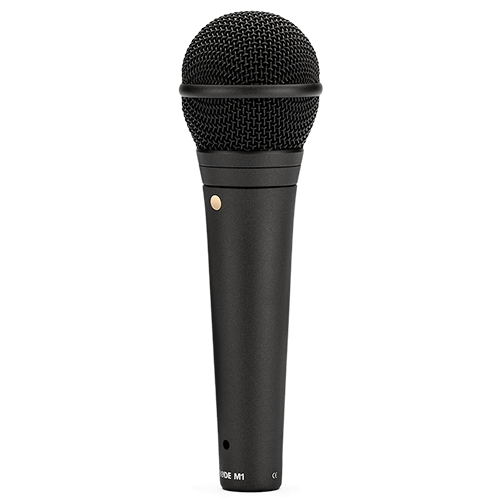
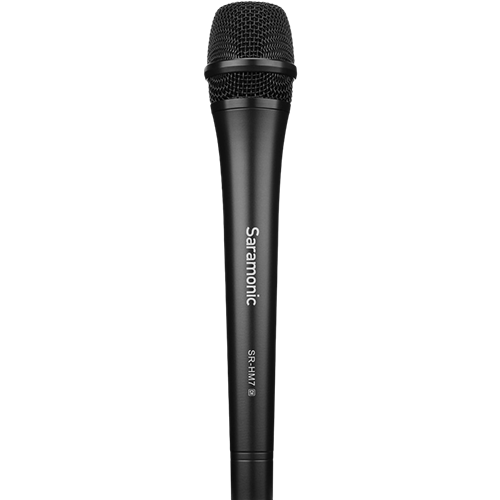
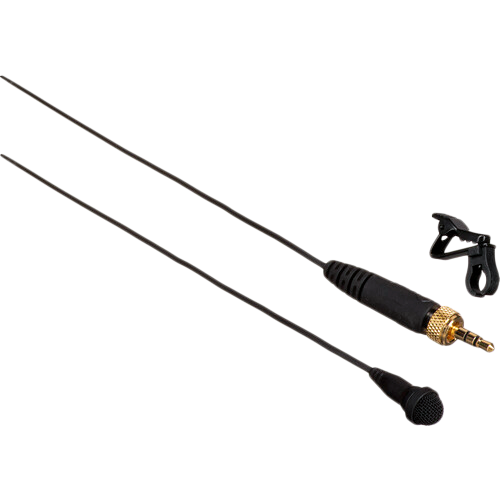
Cardioid microphones at Camera Shop Egypt
When to choose cardioid
Solo vocals and podcasting: Cardioid is the default choice. Point the mic at the speaker, reject the room.
On-camera interviews: A cardioid shotgun mic on-camera or on a boom captures the subject while rejecting crew noise and room echo.
Streaming and video calls: Desktop cardioid mics capture your voice and reject keyboard and computer fan noise.
Multi-mic setups: Cardioid mics on each person reject bleed from adjacent sources, keeping each track clean.
When using a cardioid mic, always speak into the front of the capsule — not the side or top. Many beginners hold side-address microphones incorrectly by speaking into the top. Check your mic’s documentation for the correct orientation.
Gear that does this
Available in Egypt and suited to what this guide covers.