How to choose the right lens for portrait photography?
The ideal portrait lens produces flattering facial proportions, beautiful background blur, and sharp eye detail. Focal lengths between 50mm and 135mm on full frame (or 35-85mm on APS-C) are the sweet spot — they compress features naturally and separate the subject from the background.
Best focal lengths for portraits
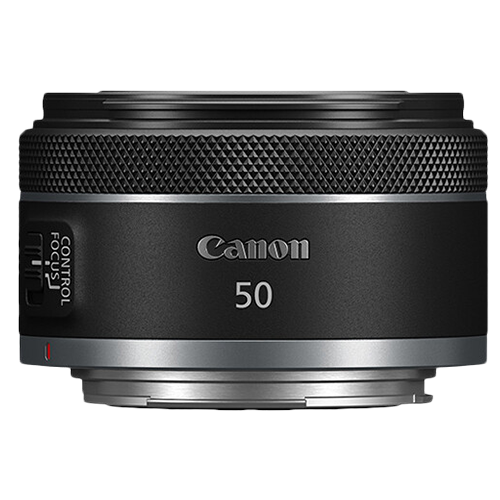
50mm: The classic starting point. Versatile for full-body, half-body, and environmental portraits. Affordable f/1.8 versions available from every brand. Slight perspective exaggeration if you get too close — keep distance above 1.5 meters.
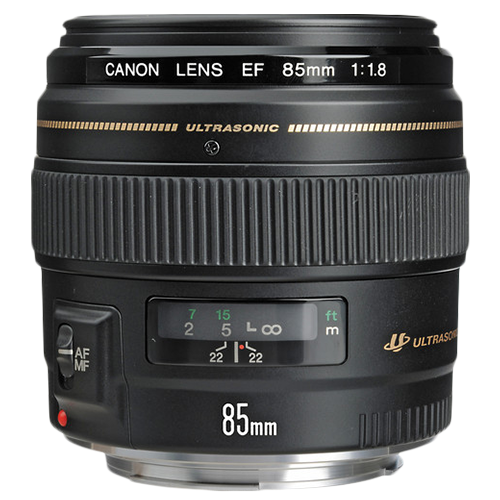
85mm: The portrait king. Perfect facial compression, beautiful bokeh, comfortable working distance (2-3 meters). Widely considered the single best portrait focal length. An 85mm f/1.8 is one of the best investments in photography.
135mm: Maximum background compression and blur. Subject is completely isolated from the background. Requires more shooting distance (4-5 meters). Stunning for outdoor portraits and headshots.
35mm: Environmental portraits where context matters — the room, the street, the landscape around the person. Get close for intimate feel, but be careful of perspective distortion on faces.
Aperture matters as much as focal length
f/1.4: Maximum background blur. Extremely thin depth of field — eyes sharp, ears already soft. Beautiful for single-subject artistic portraits. Expensive and heavy.
f/1.8: The sweet spot of price and performance. Nearly as much blur as f/1.4 at a fraction of the cost and weight. The best value in portrait lenses.
f/2.8: Good background separation with more forgiving depth of field. Better for moving subjects and group shots. Most 70-200mm zooms offer this.
For portraits, aperture directly determines the look. An 85mm f/1.8 produces a fundamentally different image than an 85mm f/4.
Portrait lenses at Camera Shop Egypt
Prime vs zoom for portraits
Prime (50mm, 85mm, 135mm): Wider maximum aperture (f/1.4-f/1.8), sharper wide open, lighter, cheaper. You zoom with your feet. Best image quality per dollar.
Zoom (70-200mm f/2.8): Covers all portrait focal lengths in one lens. Extremely versatile for events and weddings where you cannot always move. Heavier, more expensive, but f/2.8 still produces lovely bokeh.
Best first portrait lens: An 85mm f/1.8 prime. It is affordable, sharp, produces stunning bokeh, and teaches you to see at one focal length — which makes you a better photographer.
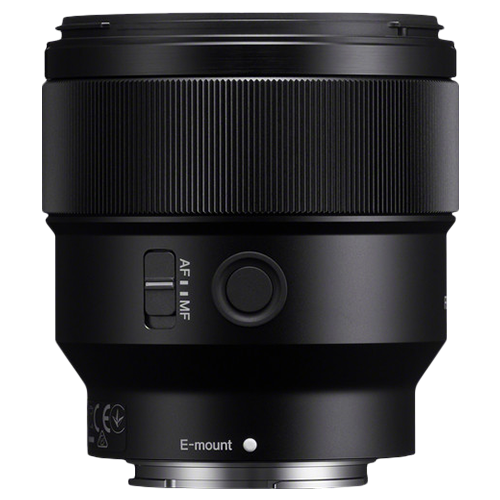
The 85mm f/1.8 is the single best portrait lens investment regardless of brand. Canon RF 85mm f/2, Sony 85mm f/1.8, or Nikon Z 85mm f/1.8 — all are excellent and all are more affordable than their f/1.4 siblings.
Gear that does this
Available in Egypt and suited to what this guide covers.